The Proliferation of Data Centers and Their Unquenchable Thirst
We are told the digital economy is weightless, a realm of pure information. Yet its most critical physical infrastructure—the data center—consumes water at alarming rates, governed by America’s oldest and most divergent water laws. This creates hidden sacrifice zones where technological progress is paid for with the foundational resource of communities that can least afford to lose it.
Read More
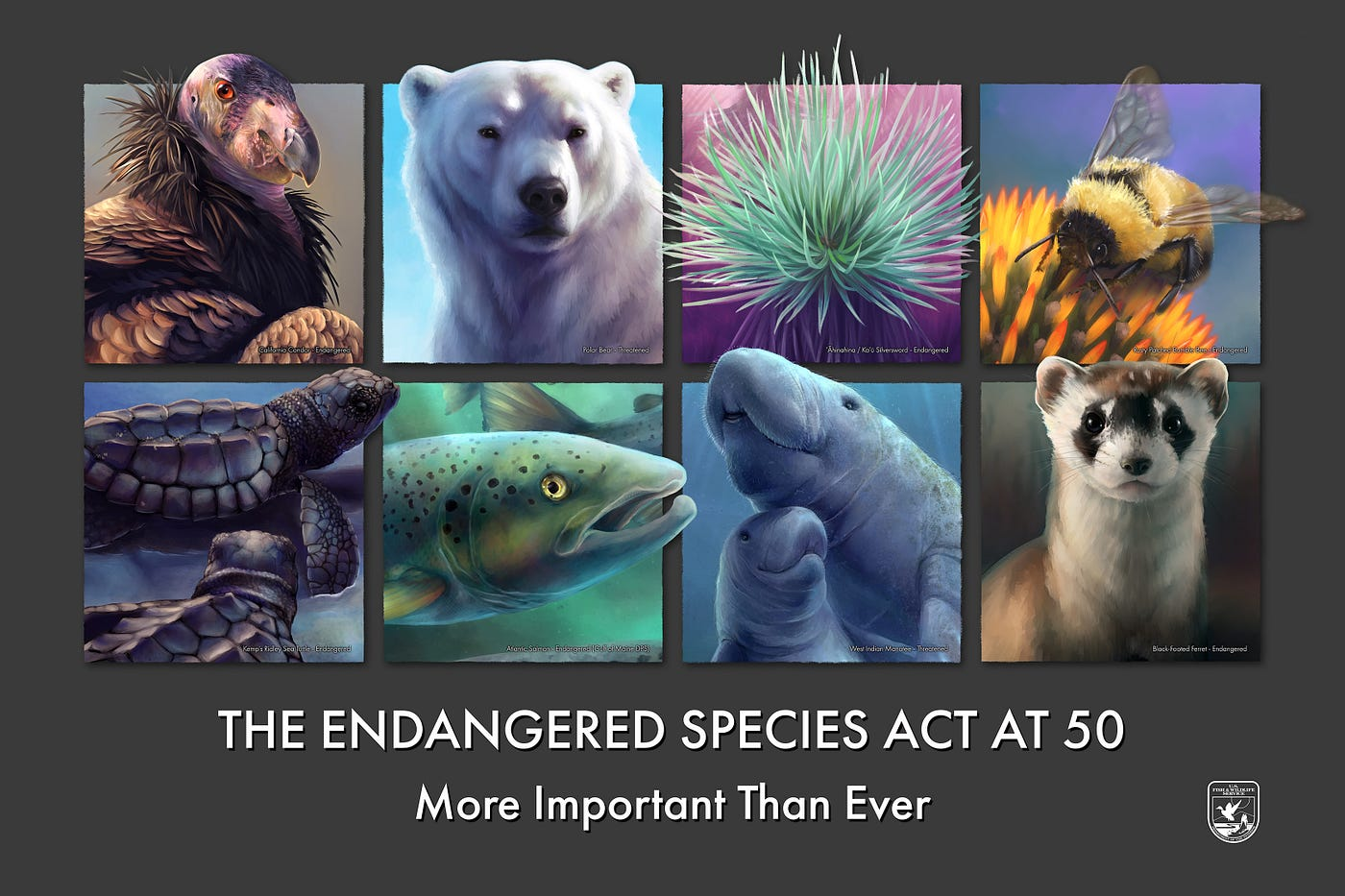
In Response to the Trump Administration’s Weakening of the Endangered Species Act
The Endangered Species Act is a critical environmental law, just over fifty years old, that provides a fundamental pathway to prevent the extinction of plants, fish, and wildlife. Enacted in 1973 with overwhelming bipartisan support, it stands as one of the nation’s most comprehensive and powerful conservation statutes.
Read More
Combatting Abandoned Mines: Good Samaritan Remediation of Abandoned Hardrock Mines Act
The growth and dependency on the mining industry during the nineteenth and twentieth centuries was critical to the United States economy. As a result, mines spread across the country without much thought to mining practices or the corresponding consequences. Today, there are an estimated 140,000 abandoned hard rock mines, with 23,000 located in Colorado, and around 23,000 that may pose environmental concerns.
Read More
Federal Environmental Justice Setbacks and the Impact on Colorado
The Environmental Justice Movement gained momentum in the late 1980s and early 1990s in response to a community in North Carolina being designated as the future site of a hazardous waste landfill riddled with PCB-laced waste. PCBs are a group of manmade chemicals that were used in industrial and commercial settings and were banned in 1979; yet, they do not break down easily in the environment. As a result, PCBs remain in the air, water, and soil, and likely are transported far from their point of origin.
Read More
A Win for the Hens!
In 1970, the United States produced an estimated 65 billion eggs annually, increasing to an estimated 110 billion eggs a year in 2023. Until about the 1960s, our eggs mainly came from hens that roamed around farms or backyards.
Read More
The PFAS Pollution Problem
Chemicals have been incorporated into daily life as they serve many advantageous uses. Over time, and with rapid technological advances, it is difficult to identify items in our day-to-day lives that do not utilize or benefit from the addition of chemicals. Despite their advantages, these chemicals can pose serious hazardous risks that consumers are unaware of.
Read More