
Deep in the Heart of Texas: Trump and the National Park Service
By: Teresa Kenny
The second Trump administration brings reinvigorated energy to the United States-Mexico border wall project, and its latest battleground is Big Bend National Park. Big Bend spans over 800,000 acres in west Texas and makes up 517 miles of the Texas-Mexico border. The land provides a rich and diverse desert ecosystem for a variety of mammals, birds, reptiles, and amphibians. Additionally, Indigenous communities revere the land for both its historical and religious significance to their community. Trump’s second presidency threatens the extensive protections that come with a national park designation, as his administration works to deregulate the largely untouched land. Along the campaign trail, Trump and his allies promised constituents that they would focus on dismantling environmental protections that have provided guidelines for development since their implementation.
Past presidential investment in protecting land across the United States began with the establishment of its first park, Yellowstone National Park, under President Ulysses S. Grant in 1872. Most Americans attribute their long-standing pride in and overall success of the National Park system to President Theodore Roosevelt. The number of national parks doubled under the direction of Roosevelt, widely known as “the Conservation President” as he focused preservation efforts across the American West. His presidency saw the establishment of 150 national forests, 55 federal bird and game reservations, and the U.S. Forest Service. He also passed the Antiquities Act of 1906 and under its purview designated the country’s first eighteen national monuments. President Woodrow Wilson officially created the National Park Service in 1916 with the Organic Act, and the system has blossomed ever since.
Landmark legislation in the 1970s, namely the Redwood Act of 1978 and National Parks and Recreation Act of 1978, cemented the authority and mission of the National Park Service to protect land across the United States and serve all people who visit the national parks and monuments. Past presidents have largely left national parks untouched, even going so far as neglecting to fund maintenance of roads or infrastructure, walking the tightrope between encouraging tourism and protecting natural biodiversity. In tandem with the establishment and protection of national parks, environmental regulations have found immense success in protecting ecological resources within the United States. The Migratory Bird Treaty Act, the Endangered Species Act, the National Environmental Protection Act, and the Clean Water Act are a few landmark decisions that guide imperative guidelines for the protection of the environment. Developers benefit from consultation with the United States Fish and Wildlife Service and the US Army Corps of Engineers to engage in various survey methods to protect threatened and endangered species, or to determine whether a body of water is jurisdictional. Specifically, the Water Resources Development Act is a recurring legislative package that ensures water infrastructure across the United States balances commercial development with conservation of water resources and floodplain management.
Over 100 years of precedents and multiple federal agencies are now in peril. A flurry of executive orders during the first 100 days of Trump’s second term in office show a sharp pivot away from historically strong environmental regulations. Under the guise of securing the border between the United States and Mexico, the administration published executive orders expanding enforcement of border protection, setting up the federal government’s path towards Big Bend.
On May 15, 2026, the Department of Homeland Security determined that certain environmental laws and regulations may be waived to expedite construction within Big Bend National Park. Markwayne Mullin, newly appointed as Secretary of the Department of Homeland Security, waived a staggering 31 laws, including major legislation named above, in an unprecedented exercise of authority. Shortly thereafter, locals spotted heavy machinery in the park. Although supporters of the work maintain that they are simply conducting preliminary construction surveys, plans for the wall through the park have been made public. Additionally, despite comments from Rodney Scott, the Commissioner of the U.S. Customs and Border Protection denying construction of a wall within Big Bend National Park, a $1.7 billion contract was awarded to contractors for the border wall in Big Bend. The mixed messaging from the administration has led to widespread bipartisan outcry as many point out that Big Bend reports the lowest rates of border crossings within Texas. Multiple lawsuits from the Sierra Club, private landowners, and Indigenous groups allege that the construction is illegal and seek an immediate halt to all work. While the work in the park specifically has been paused, these rushed efforts to build the border wall within Big Bend highlights the rampant disregard for environmental protections. Public outrage and engagement from Texans in support of protecting Big Bend exploded as a federal judge extended the pause to extend to September 30.
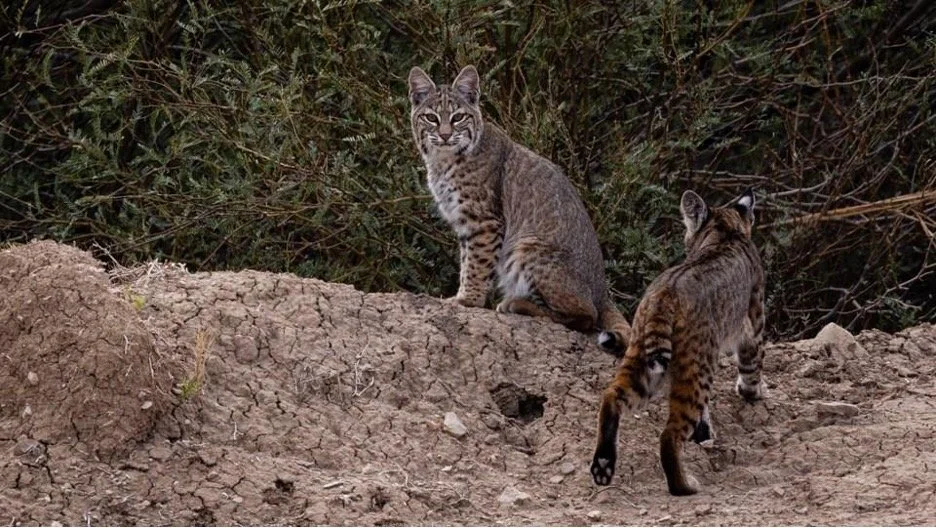
Species of all kinds, including humans, find refuge in all of the country’s national parks. Americans, regardless of party affiliation, overwhelmingly support land designated and protected for outdoor recreation and find protecting natural resources to be a patriotic duty. Studies consistently prove unfragmented habitat is a cornerstone for protecting biodiversity. Species like the ocelot, desert bighorn sheep, and elk regularly cross between Texas and Mexico, and the implications of preventing migration by way of a border wall between the two countries are numerous and detrimental. Previous protections provided to animals under the “harm” provision in the Endangered Species Act have been axed, effectively severing this ecological connectivity animals rely on between the two countries. Reckless and unchecked development within national parks shakes the foundation of the national park system. Additionally, the Trump administration shows that Big Bend is not the final frontier. Selling land within Yosemite National Park, slashing the National Park Service workforce, rescinding the “Roadless Area Conservation Rule” of 2001, and a track record from his first presidency are just a few examples that point to an alarming shift from protection to dismantling of environmental safeguards in the United States of America.